






With global tensions continuing to drive up fuel prices, exchange rates, and the overall cost of living, planning a summer holiday suddenly feels far more complicated than it used to. Peak-season travel within Korea has become so expensive that a getaway at home can now rival — or even exceed — the cost of traveling abroad. Meanwhile, nearby favorites like Japan and Southeast Asia remain as crowded as ever. When even getting into a popular restaurant can mean waiting in line for hours, the idea of a “relaxing vacation” starts to lose some of its appeal.
Which raises an unexpected question: what if this summer’s answer is the Maldives?
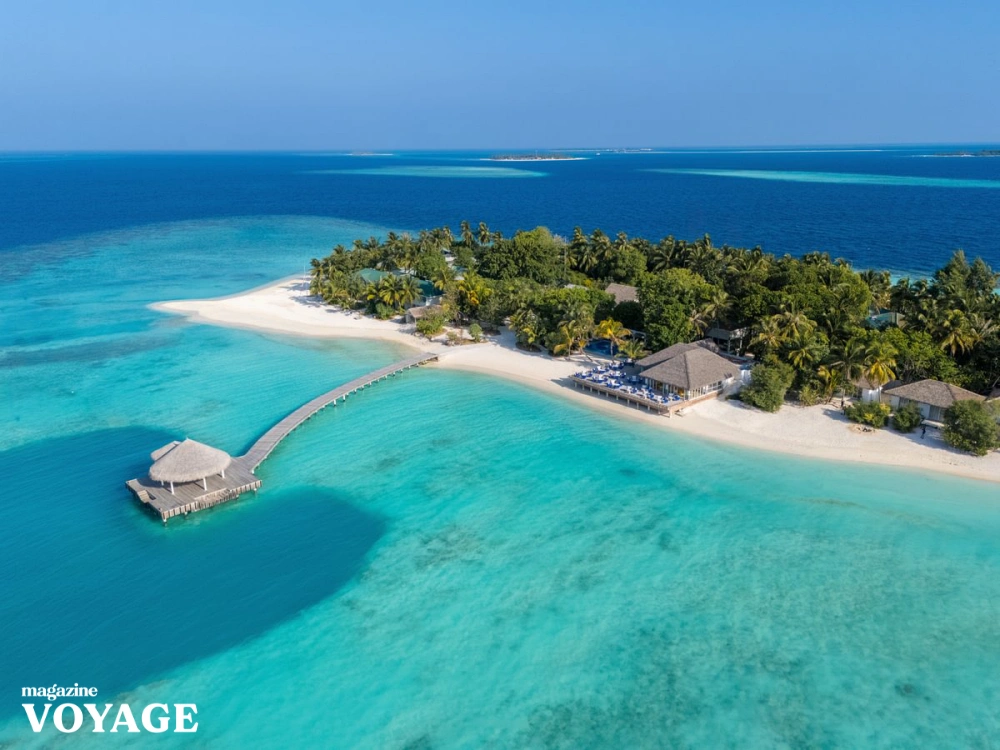
Long associated with once-in-a-lifetime honeymoons and ultra-luxury escapes, the Maldives has traditionally existed in the realm of fantasy travel — aspirational, beautiful, and financially out of reach for many travelers. But a new generation of resorts is quietly beginning to challenge that perception. One of the most interesting among them is Eri Maldives, a newly opened resort in the North Malé Atoll that debuted earlier this January.
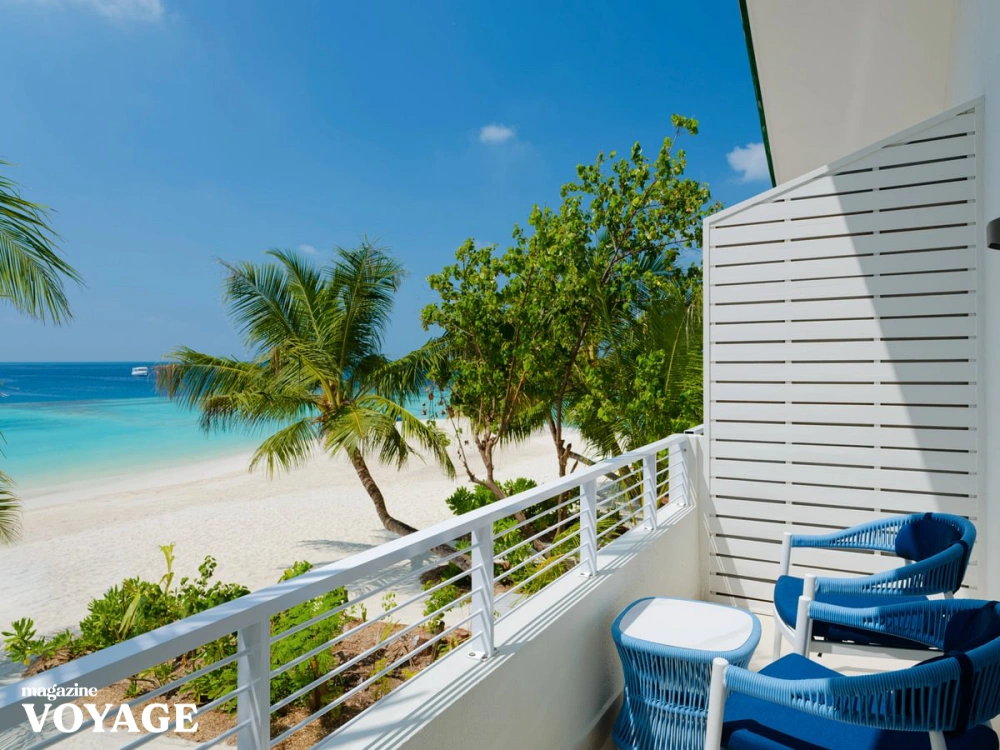
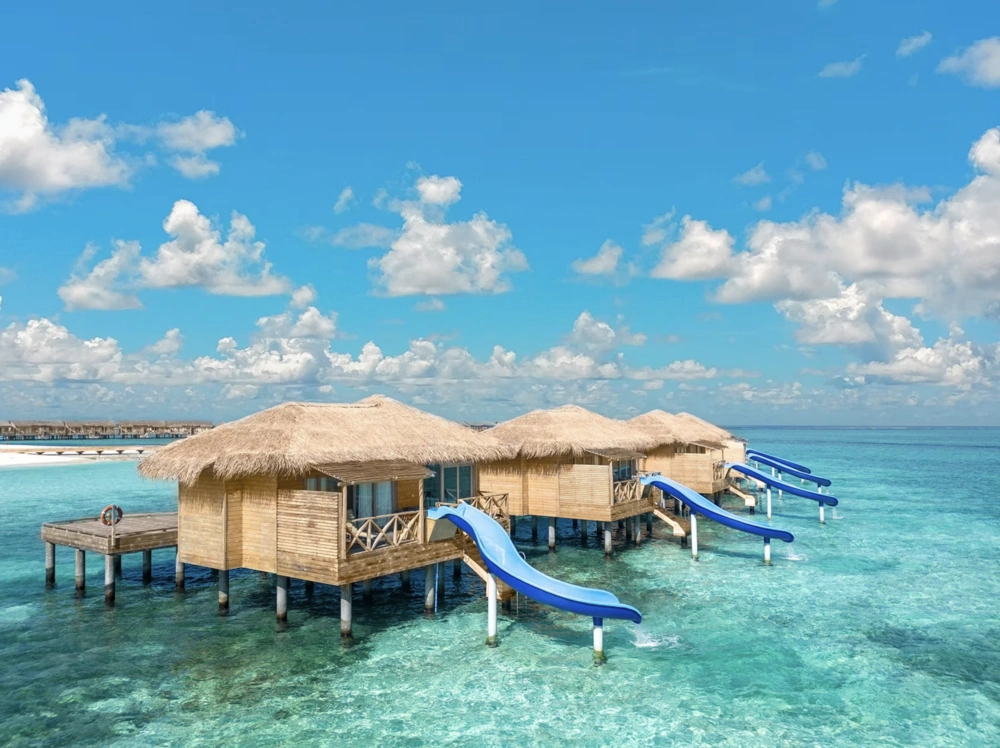
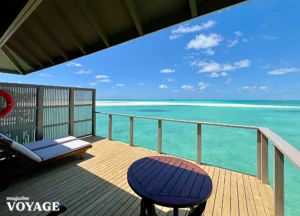
Here, the resort’s entry-level Sky Studio — every room comes with ocean views — starts at US$258 per night for two guests, including three meals daily. In a destination where room rates alone can easily climb into four figures per night, the pricing feels surprisingly approachable. The numbers become even more compelling when viewed as part of the entire trip. A four-night stay at Eri Maldives, including round-trip speedboat transfers from Velana International Airport, comes to roughly KRW 2 million for two people.
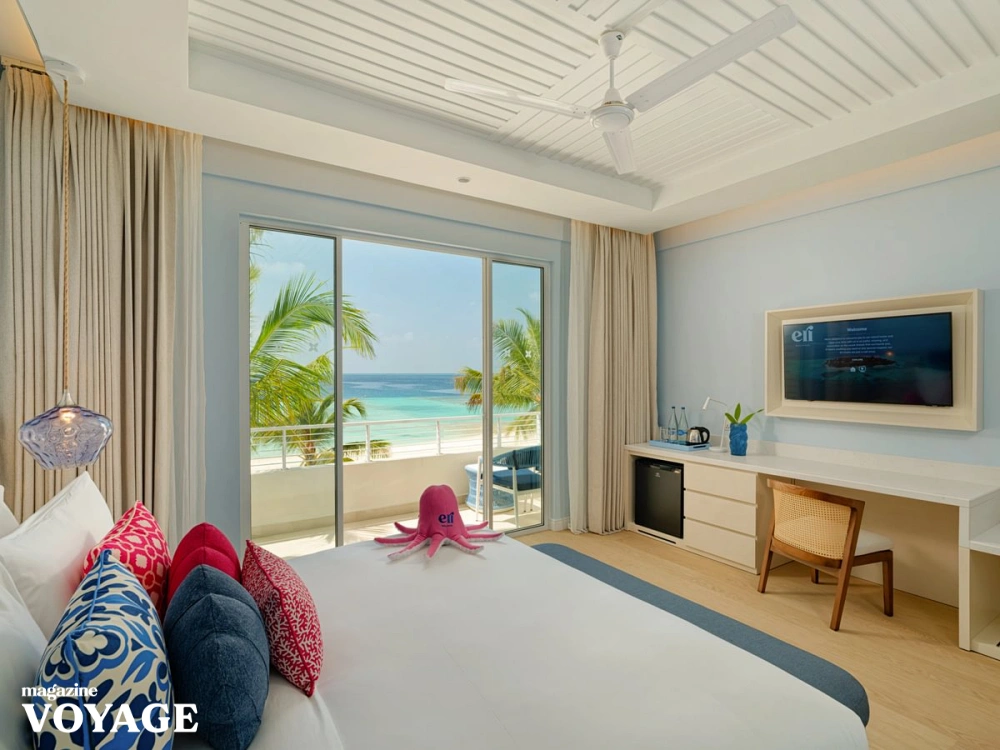
Despite rising fuel surcharges, round-trip flights from Seoul to Malé can still be found for around KRW 1 million per person during July and August. Altogether, a week-long Maldives escape for two — at a fully serviced private-island resort — can realistically be done for around KRW 4 million. And when round-trip flights to Bali during the same summer period can cost nearly KRW 800,000 on their own, the Maldives begins to feel unexpectedly reasonable.
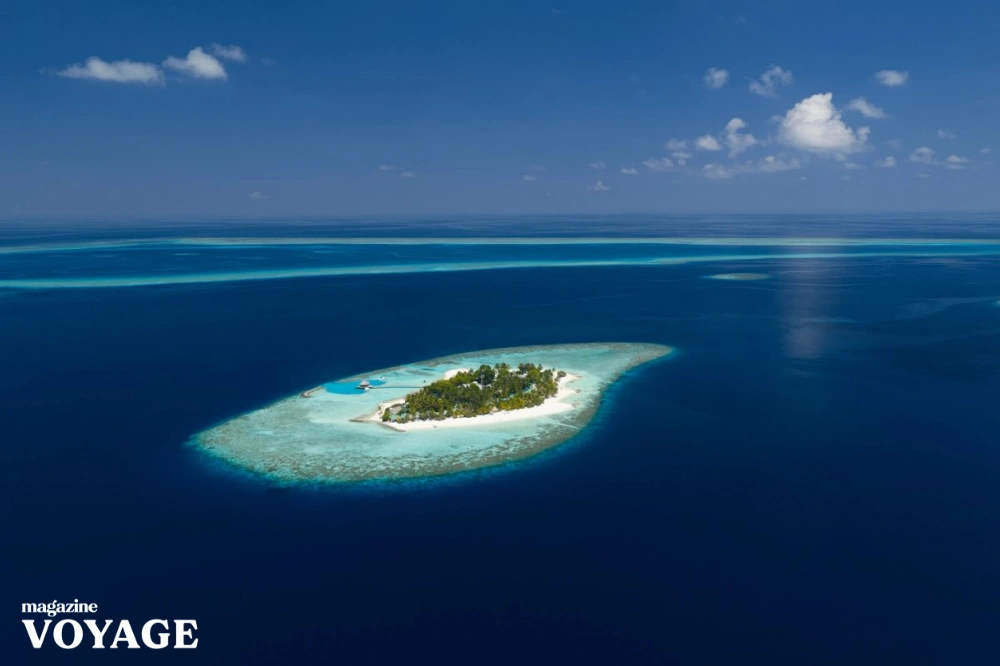
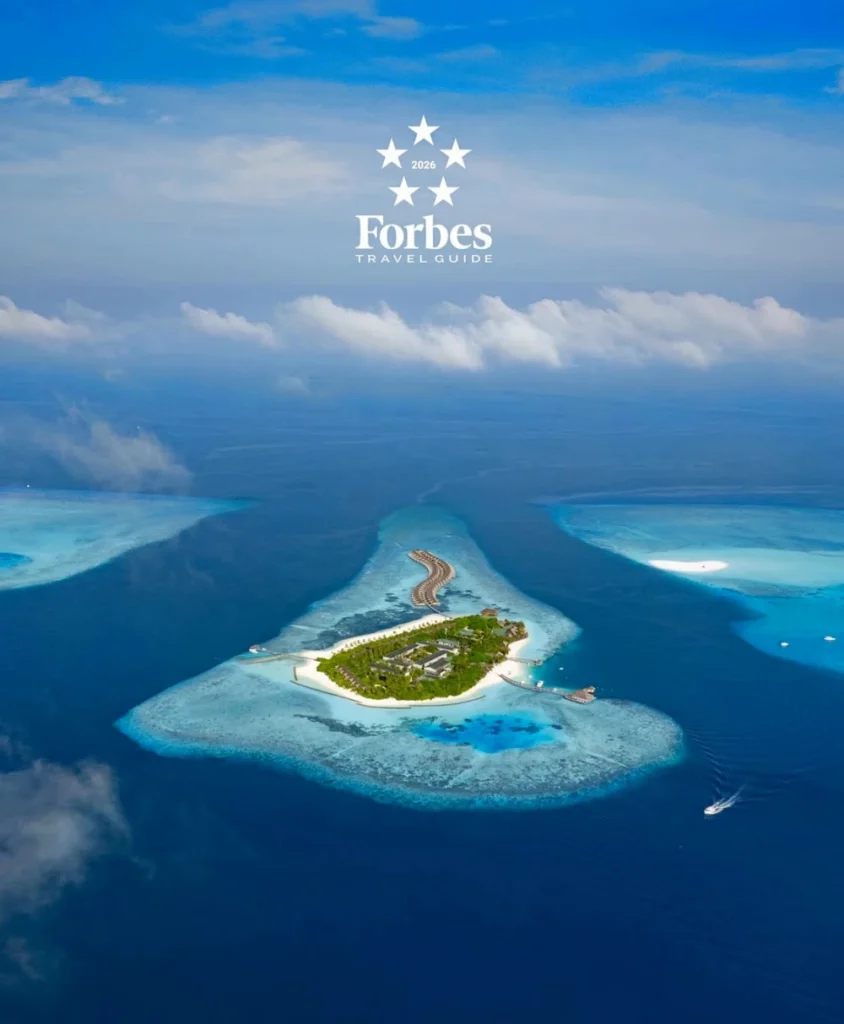
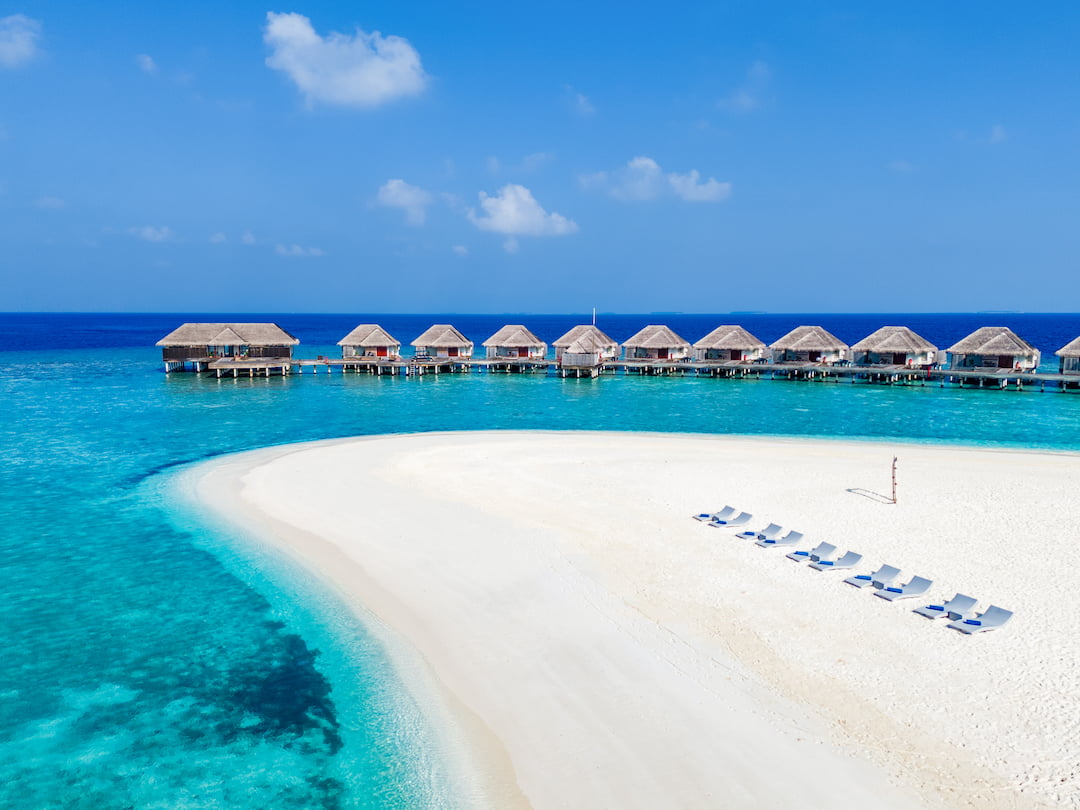
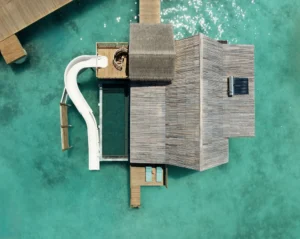
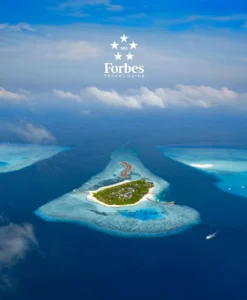
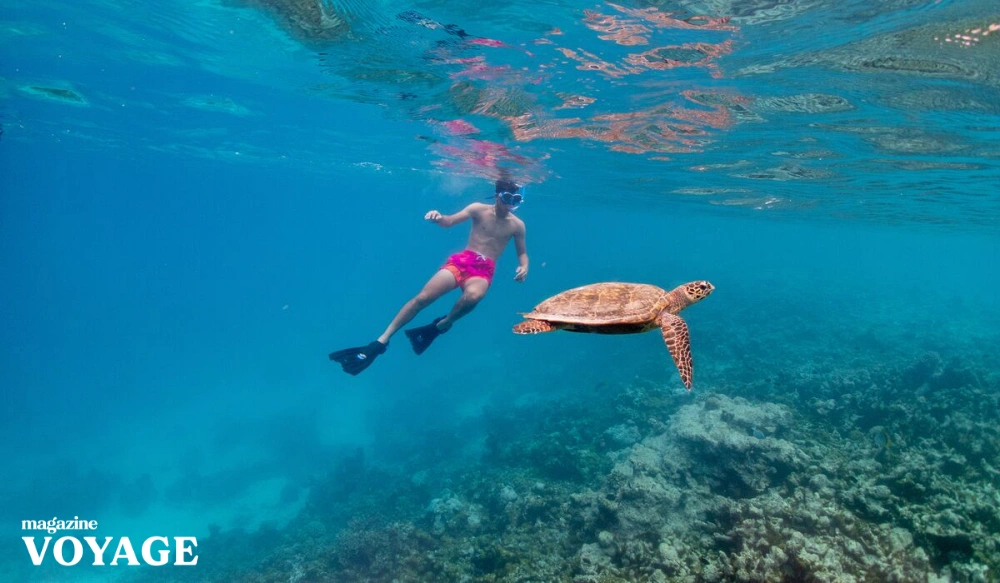
Located just 45 minutes by speedboat from Velana International Airport, Eri Maldives sits on a lush natural island surrounded by the kind of luminous turquoise lagoon that has become synonymous with the Maldives itself. Dense tropical greenery gives the island a castaway atmosphere, while the surrounding house reef offers excellent snorkeling directly from shore. Around 15 resident sea turtles reportedly inhabit the reef year-round, making encounters surprisingly common even without booking a separate excursion.
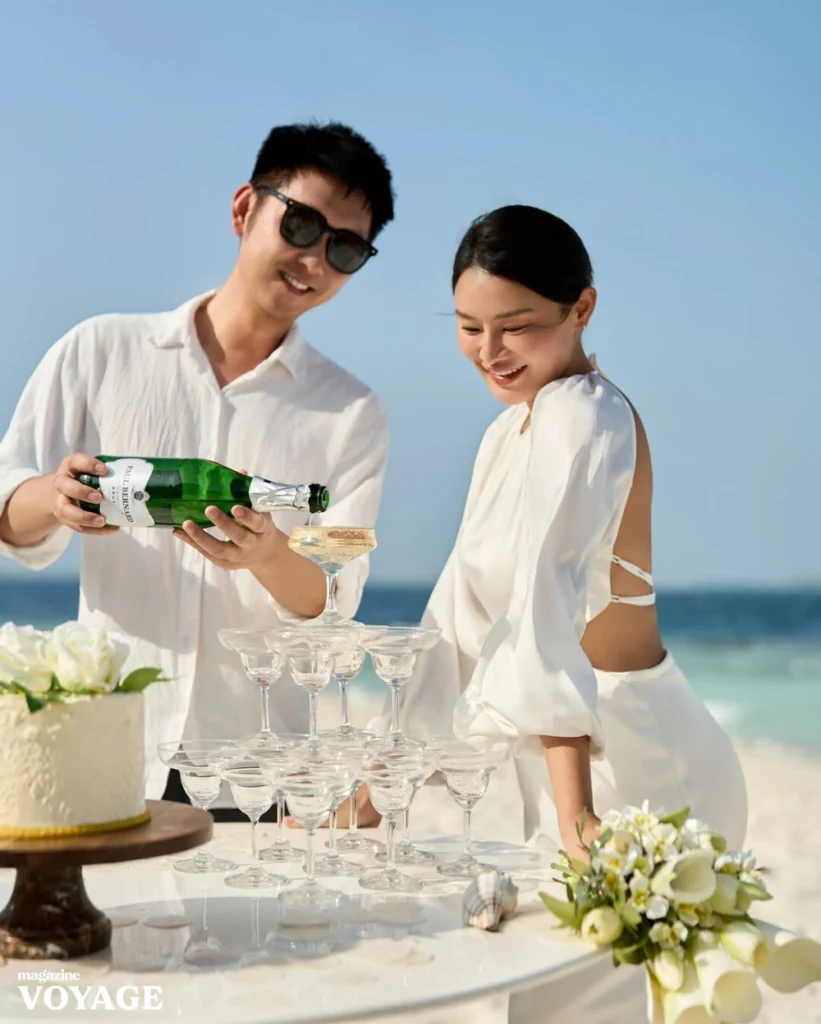
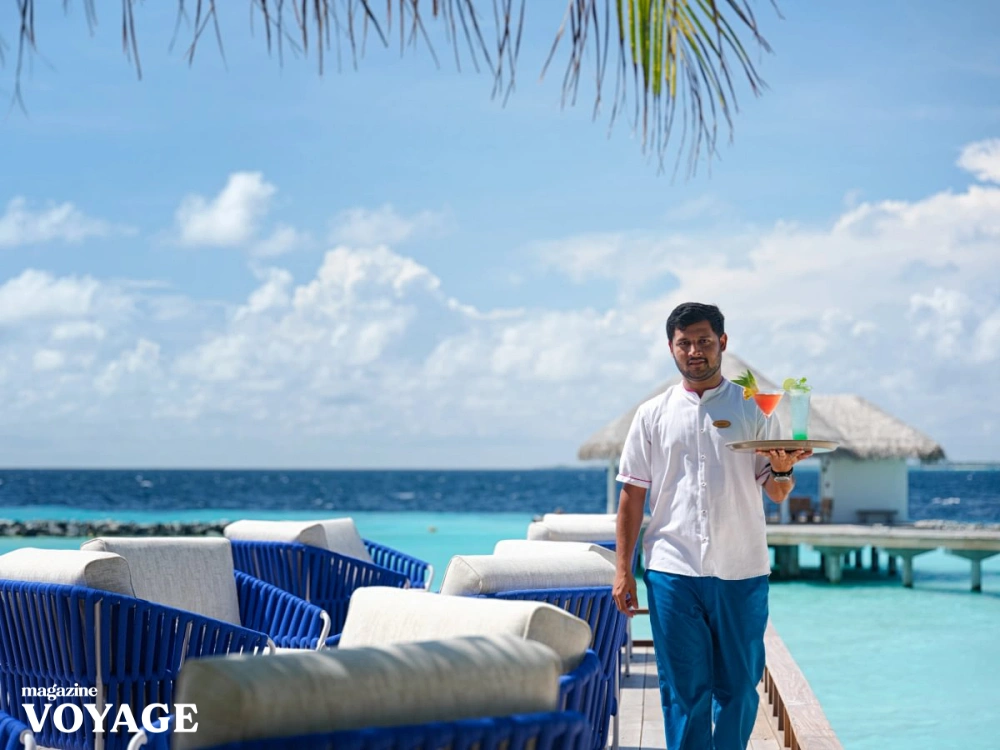
For travelers who enjoy a drink by the water, the resort’s all-inclusive beverage package is another pleasant surprise. At US$45 per person per day, guests can enjoy unlimited drinks from 10 a.m. until midnight. At a time when even stylish cocktail bars in Seoul routinely charge upwards of KRW 20,000 for a single drink, spending roughly KRW 60,000 for unlimited beers and cocktails in the middle of the Indian Ocean feels almost absurdly good value.
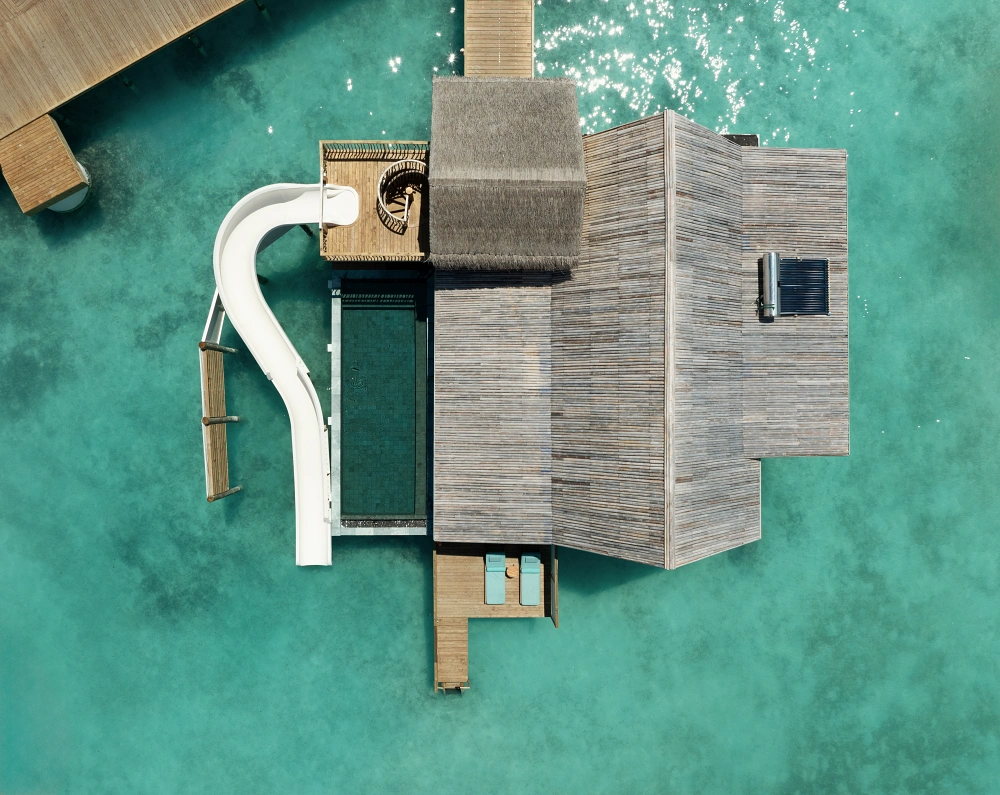
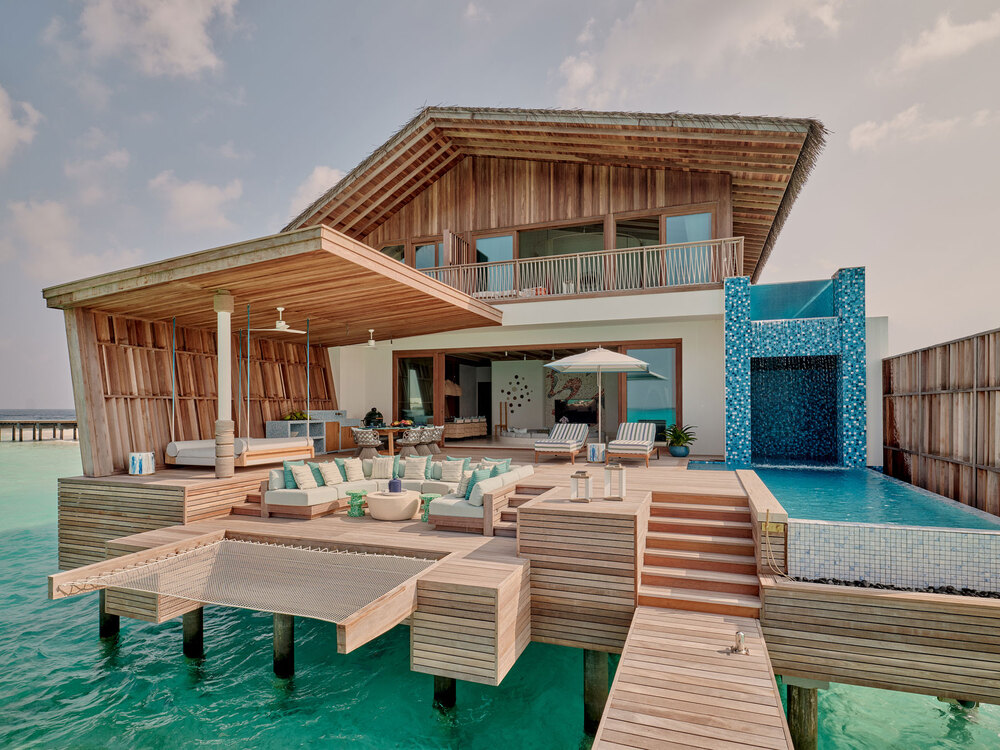
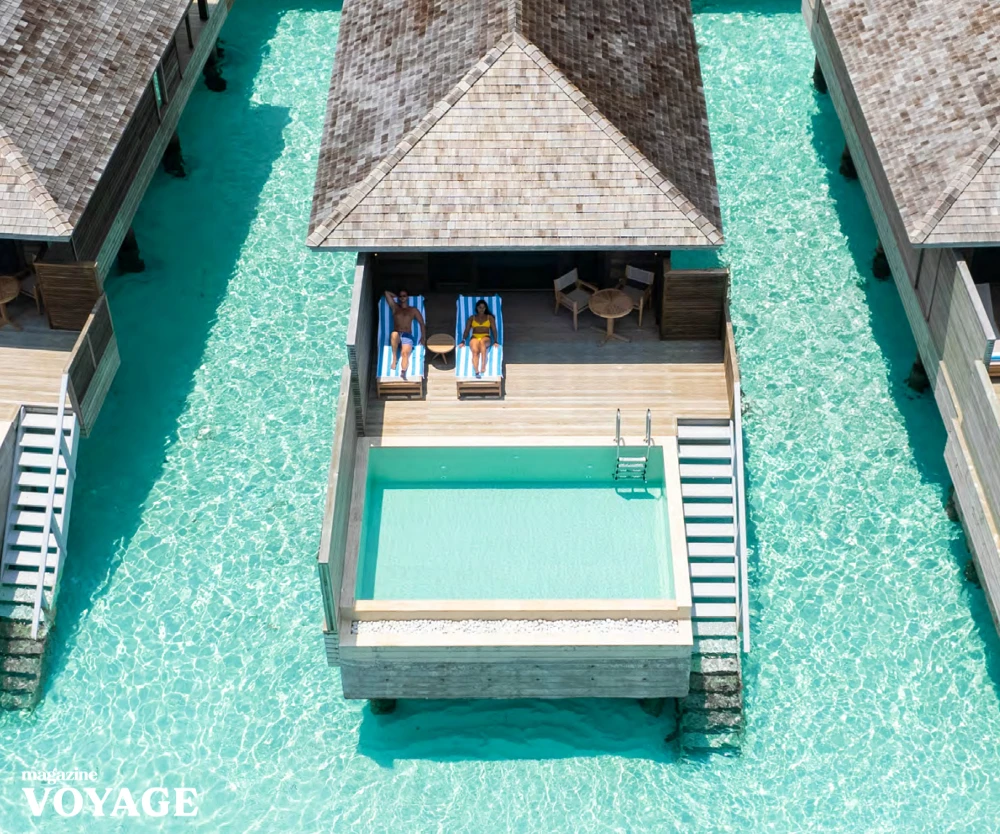
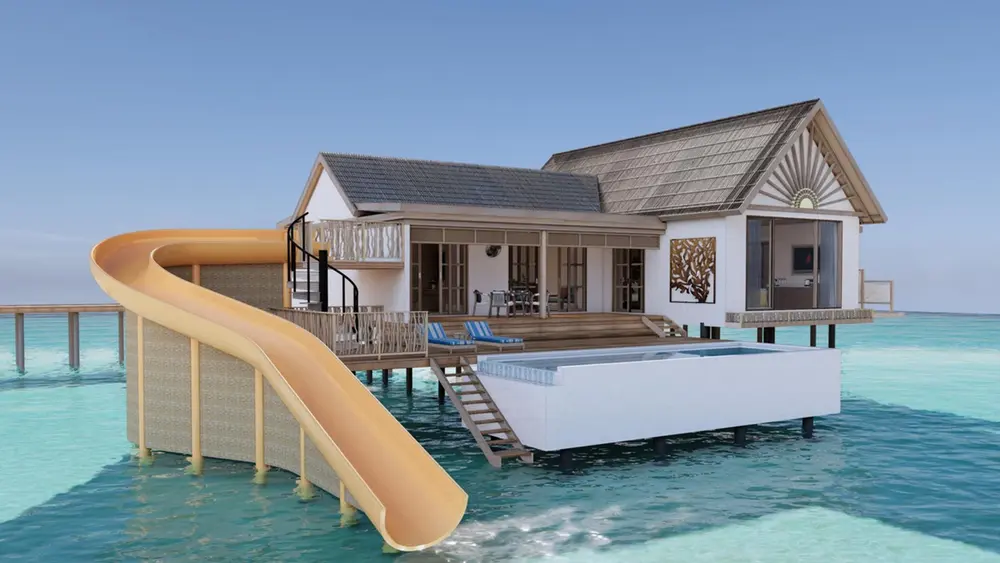
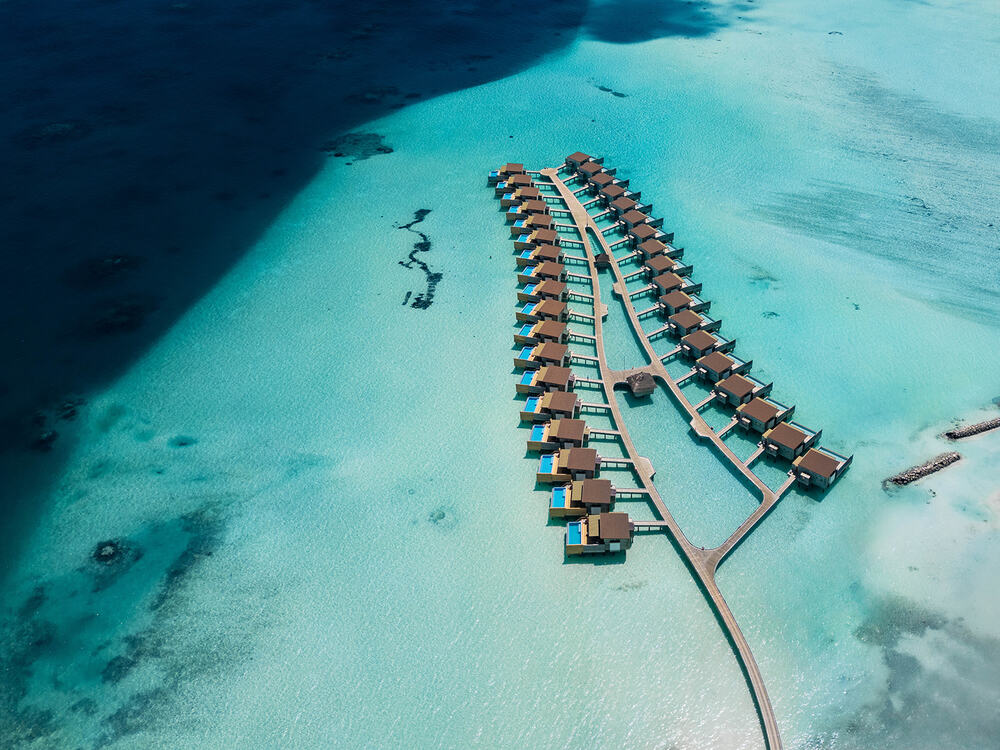
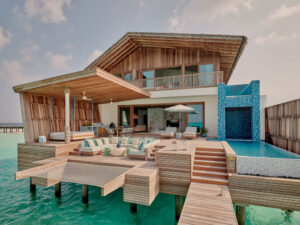
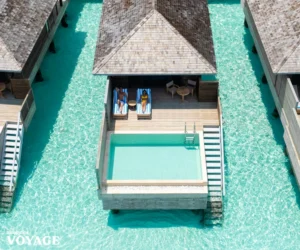
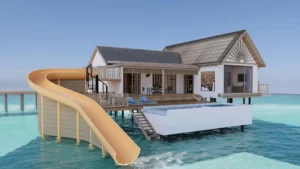
Couples with a soft spot for private pool villas may also want to consider splitting their stay between room categories — something many Maldivian resorts make surprisingly difficult with minimum-night restrictions. At Eri Maldives, however, guests can spend most of their trip in the more affordable Sky Studio before upgrading for a single night in a private pool villa. Starting from US$548 per night with full board included, the experience feels less like an unattainable fantasy and more like a carefully justified indulgence.
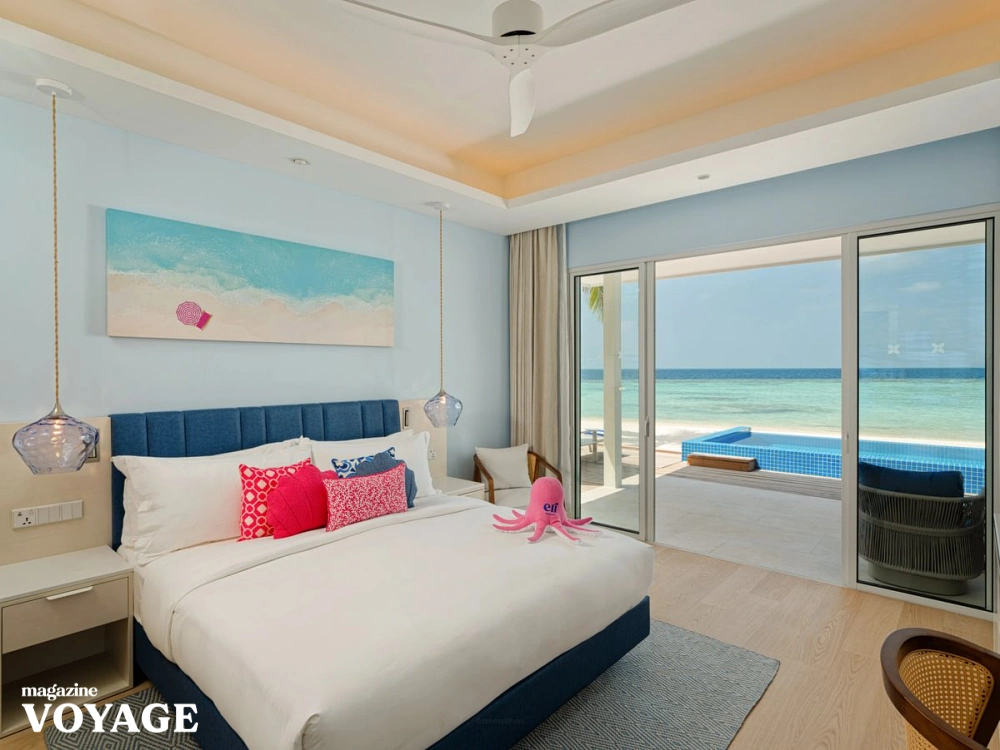
That may ultimately be what makes Eri Maldives so interesting right now. It takes the Maldives — a destination long treated as a faraway dream reserved for honeymoons and milestone celebrations — and reframes it as something unexpectedly attainable. The turquoise lagoons, snorkeling with sea turtles, leisurely all-inclusive afternoons, and private-pool-villa fantasies are all still here. What has changed is the sense that experiencing them necessarily requires an extravagant budget.
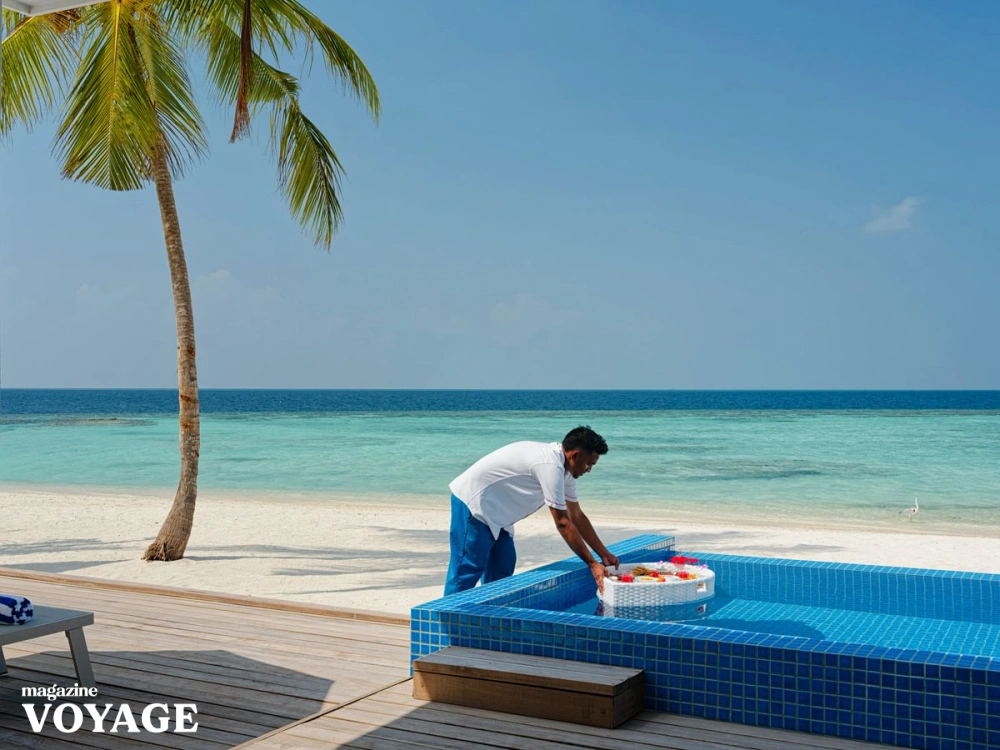
At a time when even ordinary summer travel feels increasingly expensive, Eri Maldives makes a convincing case for rethinking what luxury travel can look like in 2026. Some trips remain forever filed away under “someday.” This one, surprisingly, may not have to.